

2011 : THE VIKINGS LAND
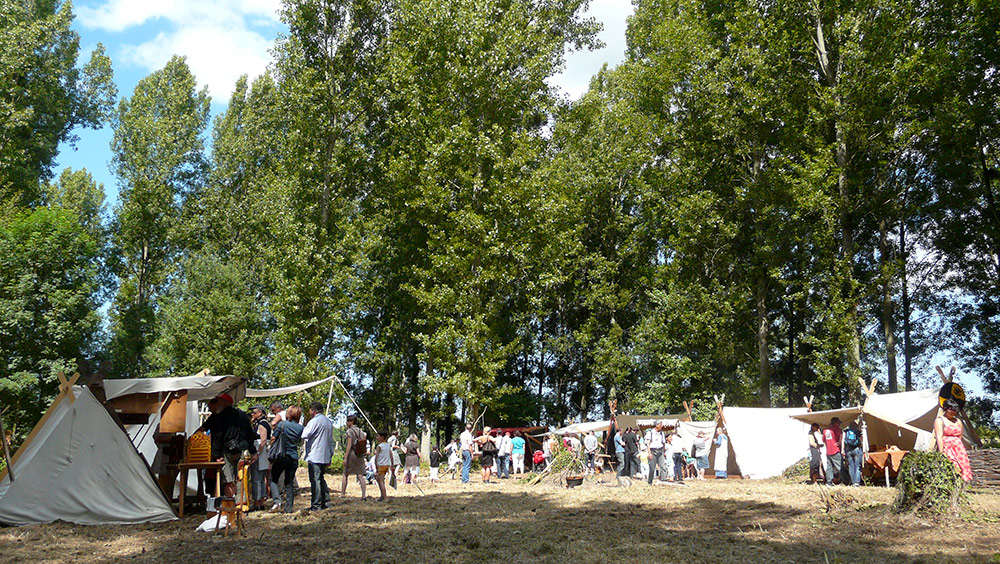
On 28 May 2011, the Viking campsite opened for the first time in the lower part of the park, near the canal that links Caen to the sea.
This first part of the park is known as Vikings' Island and is also referred to as the Scandinavian Area. The future buildings in this area are based on the locations of real places that the Vikings used to occupy and where they left archaeological traces.
So far, no remains of Viking habitats have been discovered. This is why our buildings are based on constructions from Scandinavia, Northern Germany, Russia, Ireland and England.
Our aim is to present you with a panorama of the Viking world and highlight this significant cultural legacy. This marks the beginning of the blending of two cultures, which resulted in the creation of a new entity: Normandy.
TOGETHER, VOLUNTEERS AND SCIENTISTS WILL CREATE THREE TYPES OF HABITAT :
2012 : THE FIRST SUNKEN HOUSE
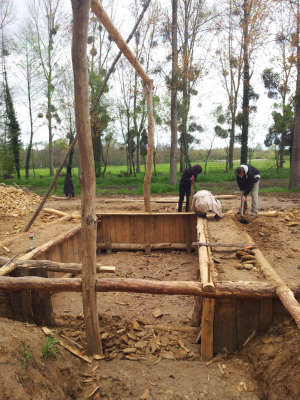
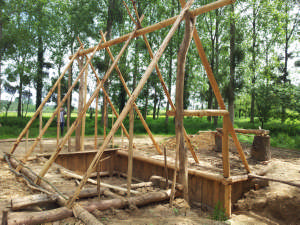
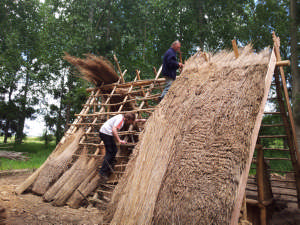
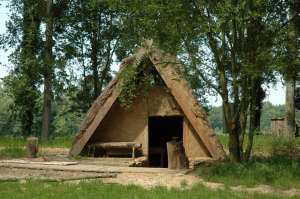
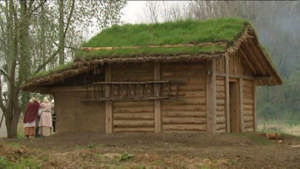
The half-buried house that can be found in the Scandinavian area, also known as Vikings' Island, is in fact the forge, which is managed by our blacksmith when the park is open.
This type of construction is a typical Scandinavian feature. The techniques used here allow for quick construction by placing the roof directly on the floor, which provides better winter insulation.
Following this construction, our volunteers will build the bread oven, using the same techniques and skills as in this period.
2013 : THE CAROLINGIAN VILLAGE
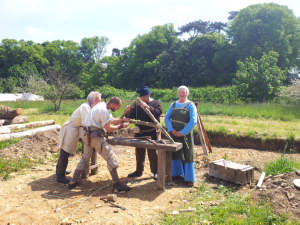
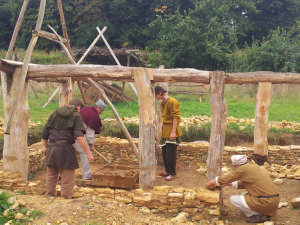
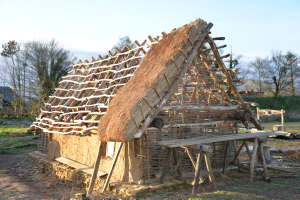
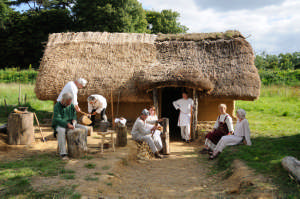
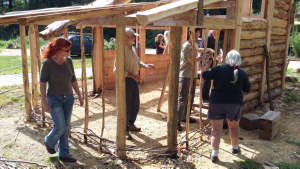
You'll find it just inside the park entrance. It was built just two years after construction of the Scandinavian area began. Our workers built the first 'real' building in the park: the Carolingian farmhouse. It is now complete and located on your right after the entrance.
This house is a reconstruction based on the ruins discovered during an excavation in the old village of Saint-Martin de Trainecourt (now known as Mondeville).
We are pleased to present buildings in this Carolingian area based on archaeological assessment reports. You now have the opportunity to visit historically accurate houses from the Caen area dating back to the 10th century.
2014 – 2017 : THE CAROLINGIAN GREAT FARM
At Ornavik, our aim is to be as accurate as possible. To respect the architectural diversity of this period and region, we have collected data from two other villages in the Caen area: Giberville and Vieux-la-Romaine.
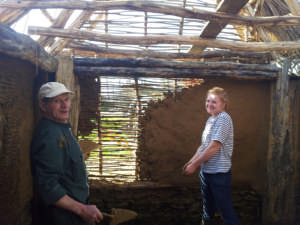
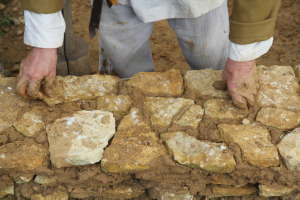
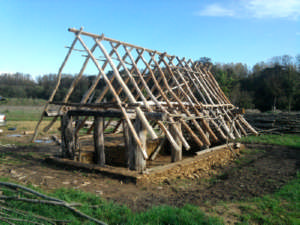
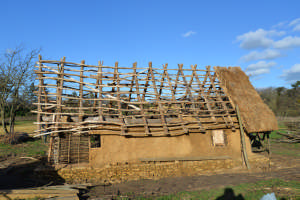
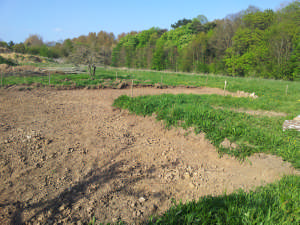
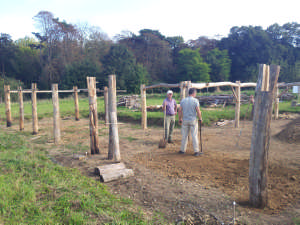
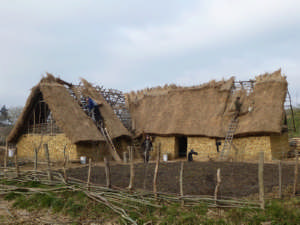
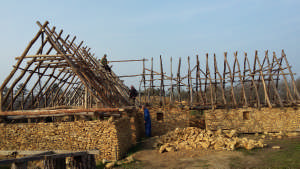
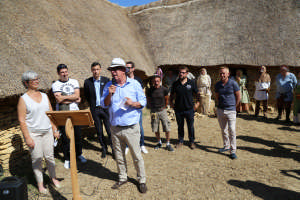
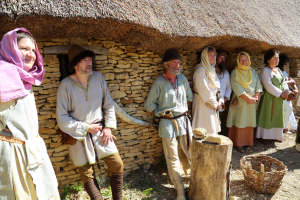
Construction of the second Carolingian farm began at the end of 2014 and was unveiled in June 2017. Named 'The Vieux Farm' or 'Gaudines' House', its reconstruction is based on excavations carried out in the Vieux area between 1987 and 1992.
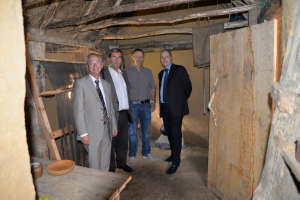
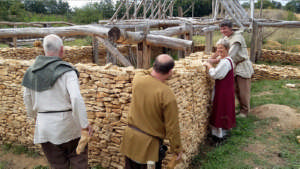
Bigger than the first, it is located on the left side of the Carolingian village. You can admire its stone walls topped with cob and its thatched roof.
Our volunteers worked every Saturday for two and a half years to build these 84 m³ of stone walls, which were recovered from the construction site of the future EHPAD building in Hérouville. It was a real feat!
2016 : THE HOUSE FROM SÄBY
As Ornavik is an active site, there are plenty of ongoing projects. In 2016, construction of a Swedish house emerged in the Scandinavian area, and you can now visit it.
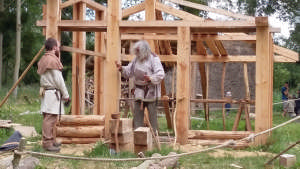
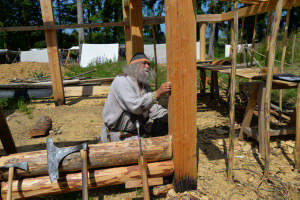
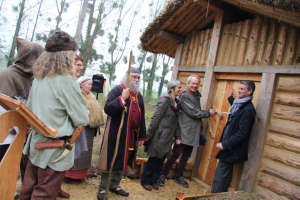
Named the 'Säby House', it was built based on excavation data from Säby in Sweden. It was unveiled in April 2016 with the help of blueprints created by Swedish students, our volunteers, and young people from the EPIDE centre in Alençon.
AND NOW ?
Don't wait any longer to immerse yourself in Norman culture! Come and open the doors of the houses, smell the thatch and admire the wooden frames.
You will also see different buildings from regions once occupied by Scandinavians and Vikings thriving in nature.


